I’ve spent two decades building, leading, and supporting other people’s work.
Now I help practitioners stay visible and credible as the landscape shifts.
I work at the intersection of therapy, positioning, and AI. Supporting therapists, health practitioners, and coaches to clarify their work, structure their presence, and use AI in a way that aligns with their standards.
Excellent work shouldn’t be invisible.
But without clear language, it often is.
-
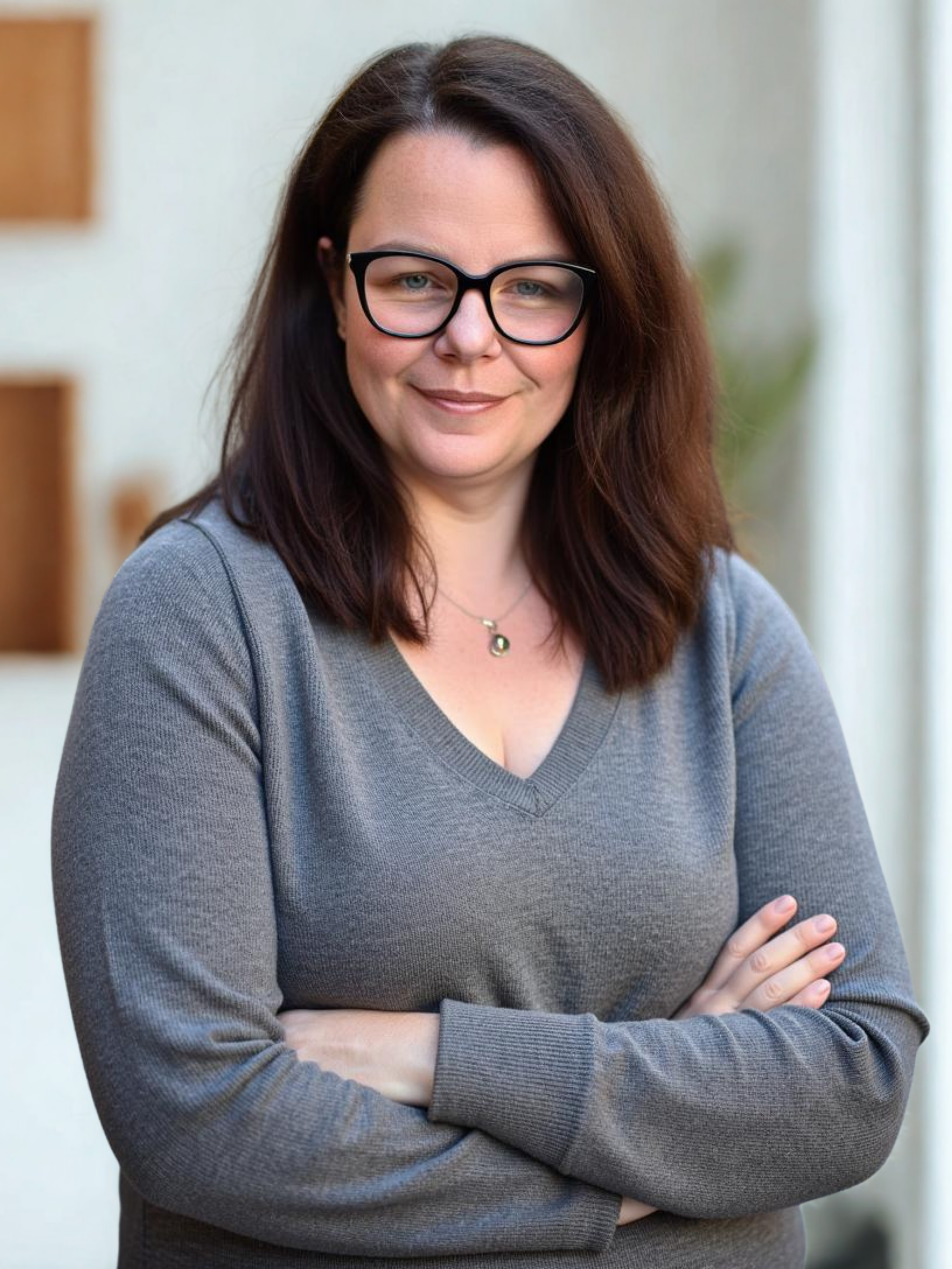
Hi, that’s me. I’m Elaine
I’ve spent two decades building businesses, teaching, and creating systems that make complex work easier.
After stepping into a role that looked right on paper but left me invisible, I made a clear decision to lead again on my own terms.
-
I work at the intersection of therapy, positioning, and AI.
As AI becomes part of how people search for support, I help practitioners stay clear, credible, and accurately represented.
This means translating depth into language people can recognize and AI can understand, without losing the human work underneath it.
-
Private practice therapists
Health practitioners
Coaches
Service-based leaders in regulated or trust-based fieldsYou don’t need to become an AI expert, but you do need to understand how it’s shaping client behaviour and referrals.
What I Do Now

Clarity + Positioning
Clarify your niche so clients and referral sources can clearly place you, and structure your website and profiles so AI can accurately describe and refer your work

Ethical Use + Policy
Build ethical guardrails around AI use and develop AI-informed policies that align with regulatory standards and protect your practice
Systems + Sustainability
Reduce the mental load so your work stays clear, accurate, and grounded while the landscape shifts and your life at home still needs you